
Scientific Overview: Natural Bioactive Compounds & Diabetes Management
Explore the scientific evidence behind natural bioactive compounds in diabetes management, including mechanisms, safety considerations, and clinical relevance.
DIABETES
Angela
4/8/20253 min read
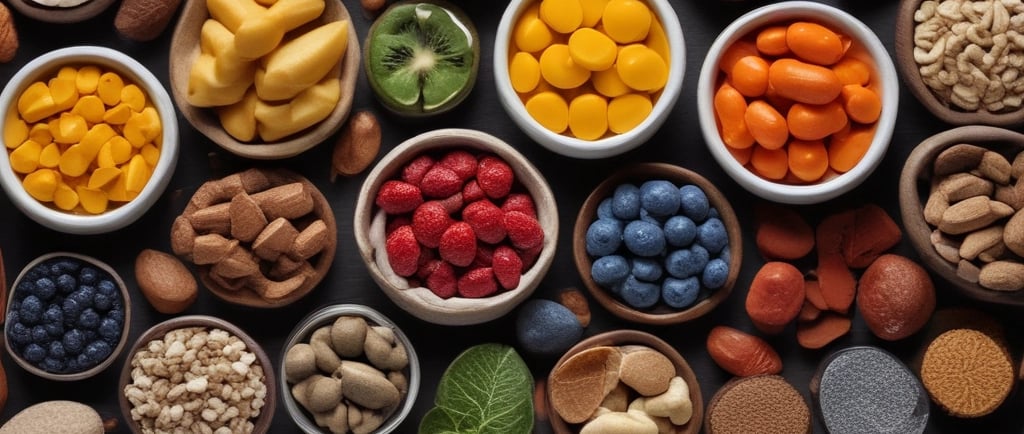
The Role Of Natural Biopactive Compounds In Your Health
Modern research increasingly highlights the role of natural bioactive compounds in supporting metabolic health. As lifestyle-related disorders such as diabetes rise globally, interest in plant-derived supplements and phytochemicals has intensified.
Natural supplements containing echinacea, ginseng, turmeric (curcumin), ashwagandha (Withania somnifera), oregano oil, and other botanical extracts are under investigation for their antioxidant, anti-inflammatory, immunomodulatory, and metabolic regulatory properties. These compounds may complement established diabetes management strategies when used responsibly and alongside clinical care.
Understanding Diabetes: A Scientific Perspective
Diabetes mellitus is a chronic metabolic disorder caused by impaired insulin secretion, insulin resistance, or both. Persistent hyperglycemia triggers oxidative stress, endothelial dysfunction, and systemic inflammation, contributing to widespread organ damage.
Global Epidemiology
8.5% of adults worldwide were affected by diabetes in 2014 (WHO, 2016).
In 2019, diabetes caused 1.5 million deaths globally (WHO, 2021).
High blood sugar contributes to 20% of cardiovascular deaths (WHO, 2021).
Diabetes mortality increased 3% between 2000–2019, rising 13% in lower-middle-income regions (WHO, 2021).
Classification of Diabetes
Type 1 Diabetes Mellitus (T1DM)
Autoimmune β-cell destruction causing absolute insulin deficiency. Requires lifelong insulin therapy.
Type 2 Diabetes Mellitus (T2DM)
95% of global diabetes cases. Characterized by insulin resistance and β-cell dysfunction. Strongly linked to obesity and physical inactivity.
Gestational Diabetes Mellitus (GDM)
Glucose intolerance first detected during pregnancy, associated with increased obstetric and long-term metabolic risks.
Intermediate Hyperglycemia
Impaired Fasting Glucose (IFG) and Impaired Glucose Tolerance (IGT) represent pre-diabetic states.
Clinical Manifestations
Symptoms include polydipsia, polyuria, unintended weight loss, fatigue, blurred vision, and slow wound healing. Sex-specific symptoms include erectile dysfunction (men) and recurrent infections (women).
Pathophysiology & Etiology
Diabetes results from:
-autoimmune β-cell destruction (T1DM)
-peripheral insulin resistance (T2DM)
-inadequate β-cell compensation
-genetic predisposition
-environmental and lifestyle factors
Hyperglycemia persists due to impaired GLUT4 translocation, hepatic overproduction of glucose, and chronic inflammation.
Risk Factors:
-Genetic susceptibility
-Visceral adiposity
-Sedentary lifestyle
-Age >35
-Previous GDM
-Certain ethnic backgrounds
-Components of metabolic syndrome
-Complications of Chronic Hyperglycemia
-Microvascular
-Diabetic neuropathy
-Diabetic nephropathy
-Diabetic retinopathy
-Macrovascular
-Coronary artery disease
-Stroke
-Peripheral arterial disease
-Other complications include infections, cognitive decline, hearing loss, and depression.
Diagnostic Criteria
-A1C ≥ 6.5% (ADA, 2022)
-Fasting Plasma Glucose ≥ 126 mg/dL
-OGTT ≥ 200 mg/dL
-Random Plasma Glucose ≥ 200 mg/dL with symptoms
-Autoantibody testing for suspected T1DM
-Evidence-Based Management
-Lifestyle Intervention
-Dietary patterns rich in whole foods, fiber, and low-glycemic carbohydrates
-≥150 minutes/week of moderate physical activity
Weight optimization to improve insulin sensitivity
-Pharmacologic Therapy
-T1DM: Insulin therapy
-T2DM: Metformin, SGLT2 inhibitors, GLP-1 RAs, DPP-4 inhibitors, and insulin when required
Monitoring
-Self-monitoring of blood glucose
-Continuous Glucose Monitoring (CGM) for dynamic glycemic assessment
-Adjunctive Interventions
-Bariatric surgery for obesity-associated T2DM
-Pancreas or islet cell transplantation in selected T1DM cases
-Role of Natural Bioactive Compounds in Metabolic Health
-Emerging evidence suggests that specific botanical compounds exhibit:
-antioxidant properties
-modulation of inflammatory pathways
-improvements in glucose uptake and insulin sensitivity
-potential attenuation of oxidative stress
-regulatory effects on cortisol and metabolic stress responses
While not replacements for standard medical therapy, high-quality natural supplements may serve as adjunctive metabolic support, especially when integrated within a medically supervised lifestyle program.
Academic References
Diabetes – Epidemiology, Diagnosis & Management
World Health Organization (WHO). Global Report on Diabetes. WHO Press; 2016.
World Health Organization. Diabetes Fact Sheet. Updated 2021.
American Diabetes Association. Standards of Medical Care in Diabetes—2022. Diabetes Care. 2022;45(Suppl 1).
International Diabetes Federation. IDF Diabetes Atlas, 10th ed. 2021.
Centers for Disease Control and Prevention (CDC). National Diabetes Statistics Report, 2022.
Zheng Y, Ley SH, Hu FB. Global aetiology and epidemiology of type 2 diabetes mellitus and its complications. Nat Rev Endocrinol. 2018;14(2):88–98.
Harding JL et al. Global trends in diabetes complications. Diabetologia. 2019;62:3–16.
Natural Bioactive Compounds & Metabolic Health
Aggarwal BB, Harikumar KB. Potential therapeutic effects of curcumin. Int J Biochem Cell Biol. 2009;41(1):40–59.
Pan SY et al. New perspectives on herbal medicines for diabetes management. Evid Based Complement Alternat Med. 2013.
Attele AS, Zhou YP, Xie JT et al. Antidiabetic effects of ginseng. Diabetes. 2002;51(6):1851–1858.
Verma N, Yadav RK. Withania somnifera and metabolic regulation. Phytother Res. 2020;34(8):1786–1798.
Sabir S et al. Antioxidant and antimicrobial profile of oregano essential oil. J Essential Oil Res. 2021;33(2):145–156.
Lobo V et al. Role of antioxidants in metabolic disorders. Pharmacol Rev. 2010;4(1):118–126.
Health Nest
Explore articles, supplement reviews and wellness insights today.
© 2025. All rights reserved.