
Understanding Easy Bruising: Insights into Blood Vessels, Clotting, and Nutritional Status
Easy bruising isn’t always “just thin skin.” It can reflect fragile capillaries, slowed clotting, medication effects, or nutrient-driven weakness in collagen and coagulation biology. This in-depth guide explains why bruises change color, what patterns are normal with age, when bruising signals a platelet or clotting issue, and how to support vascular resilience through smarter prevention and targeted nutritional strategies, without guesswork and without hype.
WELLNESS
12/22/20245 min read
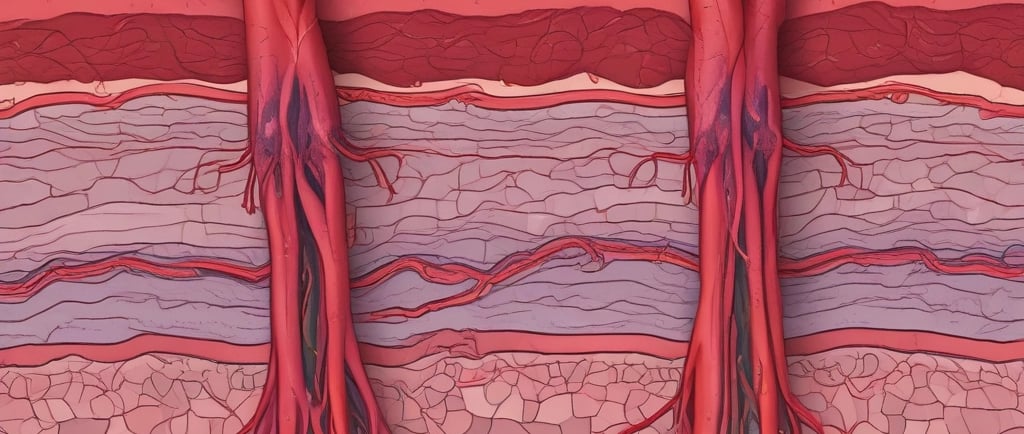
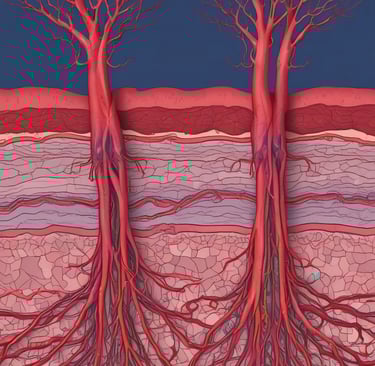
A bruise looks simple, a patch of purple, blue, or yellow skin that fades with time. But biologically, it’s a controlled internal “spill” of blood. Tiny vessels break, blood leaks into tissue, and your immune system clears the mess in a precise sequence.
Most people bruise occasionally. The red flag is easy bruising: bruises that appear frequently, seem larger than expected, show up without a clear bump, or arrive alongside other bleeding signs. In those cases, bruising isn’t a cosmetic issue. It’s feedback, often about vascular fragility, platelet function, clotting proteins, medication effects, or nutrient status.
If you’re the kind of person who reads about health support and targeted nutrition, this is one of those topics where the right knowledge can prevent a lot of anxiety and, in some cases, uncover a fixable problem.
What Is an Ecchymosis?
“Ecchymosis” is the medical term for a bruise, a visible color change that occurs when blood escapes from damaged capillaries into surrounding tissue while the skin remains intact.
The classic color shift is not random:
Early pink-red
Then dark blue, purple, or brown
Then green and yellow as the blood is broken down
Finally fading back to normal, typically within about two weeks
This color sequence reflects the biochemical breakdown of hemoglobin. As red blood cells degrade, pigments such as biliverdin and bilirubin appear, creating the green-yellow phases before the bruise clears.
Why Bruises Form, the Real Mechanism
When a small vessel breaks, the body normally seals the leak fast by forming a clot. That process depends on:
Platelets (to form the initial plug)
Clotting factors (proteins made largely in the liver that stabilize the clot)
Healthy vessel walls and connective tissue (so the vessel doesn’t tear easily)
Bruising becomes more likely when:
vessels tear more easily,
the clot forms more slowly, or
bleeding continues longer than usual under the skin.
That’s why easy bruising often points to more than “I bumped into something.”
The Most Common Reason: Skin and Vessel Fragility With Age
Older adults bruise more easily because the skin becomes thinner and drier and loses part of the protective fat layer that cushions vessels. On top of that, collagen and connective tissue support decline, leaving capillaries less protected.
This creates a very common benign condition called senile purpura, also known as actinic purpura, characterized by recurrent bruising on sun-exposed areas, especially the backs of the hands and forearms. It’s strongly linked to aging skin and chronic sun damage. NCBI+2DermNet®+2
This type of bruising can look dramatic, but blood tests are often normal. The issue is structural fragility, not a clotting disease.
Medications and “Blood-Thinning” Effects
Many people first notice easy bruising after starting a new medication. That’s not coincidence. Some drugs reduce the blood’s tendency to clot, which is helpful for preventing heart attacks and strokes but can increase bruising.
Common medication categories associated with bruising include:
anticoagulants and antiplatelet agents
nonsteroidal anti-inflammatory drugs
long-term corticosteroid use (which also thins skin)
When clot formation is slowed, bleeding under the skin lasts longer, giving enough time for a visible bruise to form.
One important rule: if you suspect medication-related bruising, don’t stop or adjust doses on your own. The safer move is to discuss it with the prescribing clinician, because the same medication that causes bruising may also be preventing a serious vascular event.
Nutrient Status: The Quiet Factor People Miss
Easy bruising is one of the classic signs of nutrient-related fragility, especially when diet quality is low, absorption is impaired, or physiological stress is high.
Two nutrients matter here because they support different parts of the bruising equation:
Vitamin C and Capillary Strength
Vitamin C is required for collagen synthesis. When vitamin C is insufficient, capillaries become fragile and prone to leakage, and bruising may appear easily, sometimes with gum bleeding, skin changes, and poor wound healing. NCBI+2Medscape eMedicine+2
Vitamin K and Clotting Proteins
Vitamin K is essential for producing several clotting factors. When vitamin K is deficient, the clotting cascade weakens and bruising risk rises. NCBI+1
Here’s where “supplement thinking” becomes relevant, without being simplistic: targeted nutritional support is most effective when it matches a real mechanism. If bruising is driven by collagen fragility, supporting connective tissue biology matters. If it’s driven by clotting factor insufficiency, the solution is different. This is why lab testing and context matter before chasing random fixes.
When Bruising Suggests a Medical Condition
If bruises appear easily, the issue can be impaired clot formation due to a condition affecting platelets, clotting factors, liver function, or bone marrow function.
Examples include:
Thrombocytopenia (low platelet count), which can manifest as easy bruising and, if severe, dangerous bleeding risk. NCBI
Von Willebrand disease, where platelet adhesion and early clot formation are impaired
Hemophilia A/B, inherited factor deficiencies
Cushing’s syndrome, where chronically elevated cortisol makes skin thin and fragile
Connective tissue disorders (such as Ehlers-Danlos syndromes), where vessel support is inherently weaker
Not all of these are common, but the point is important: easy bruising is sometimes the first visible clue.
Ecchymosis vs Purpura vs Petechiae: The Visual Clues That Matter
If you’re trying to read your skin like a diagnostic map, size helps:
Ecchymosis: larger bruises, often ≥ 1 cm
Purpura: smaller purple spots, often 4–10 mm, not always related to trauma
Petechiae: tiny pinpoint spots, usually < 2 mm, often clustered
Petechiae and purpura can be associated with platelet or vascular problems and deserve attention when new or widespread.
When You Should See a Doctor
Get evaluated if:
bruises are frequent, large, or appear without trauma
bruises show up on the trunk, back, or face unexpectedly
there’s unusual bleeding (gums, nose, urine, stool)
bruising began suddenly after starting a new medication
there’s a personal or family history of bleeding problems
a bruise is accompanied by a very painful swelling (possible hematoma)
the bruise lasts longer than two weeks or keeps recurring in the same spot
Clinicians typically start with a physical exam and basic blood work, especially platelet count and coagulation screening tests. Guidelines commonly emphasize urgent evaluation when sudden bruising raises suspicion for thrombocytopenia. Right Decisions+1
What You Can Do at Home When a Bruise Happens
Once blood has leaked into tissue, your body needs time to clear it. Still, you can influence the early phase:
Elevate the area when possible
Apply cold packs for short intervals during the first 24–48 hours
Use gentle compression if swelling is present, without restricting circulation
Choose pain relief that doesn’t worsen bleeding risk, especially if you’re prone to bruising
Most uncomplicated bruises resolve without treatment in about two weeks, though healing can take longer with age or larger hematomas.
Prevention: The High-Impact Moves That Reduce Bruising
If you bruise easily, prevention isn’t about “being careful” in a vague way. It’s about reducing vessel stress and injury risk while supporting tissue resilience.
Practical steps:
improve lighting and reduce trip hazards at home
check vision regularly
incorporate balance training and strength work
review medications that increase bruising risk with a clinician
prioritize a nutrient-dense diet that supports collagen formation and clotting biology
And if you’re interested in proactive support: there’s a meaningful difference between random “skin supplements” and evidence-aligned nutritional strategies designed to strengthen connective tissue and vascular resilience. The goal is not to cover up bruises. It’s to make bruising less likely in the first place.
Scientific References
Hafsi W, Badri T. Actinic Purpura. StatPearls. 2023. NCBI
Ceilley RI et al. Treatment of Actinic Purpura. J Clin Aesthet Dermatol. 2017. PMC
Maxfield L, Crane JS. Vitamin C Deficiency. StatPearls. 2023. NCBI
Eden RE, Coviello A. Vitamin K Deficiency. StatPearls. 2023. NCBI
NHS Highland. Abnormal coagulation screen and bruising (guideline). Right Decisions
Jinna S, Khandhar PB. Thrombocytopenia. StatPearls. 2023. NCBI
Health Nest
Explore articles, supplement reviews and wellness insights today.
© 2025. All rights reserved.